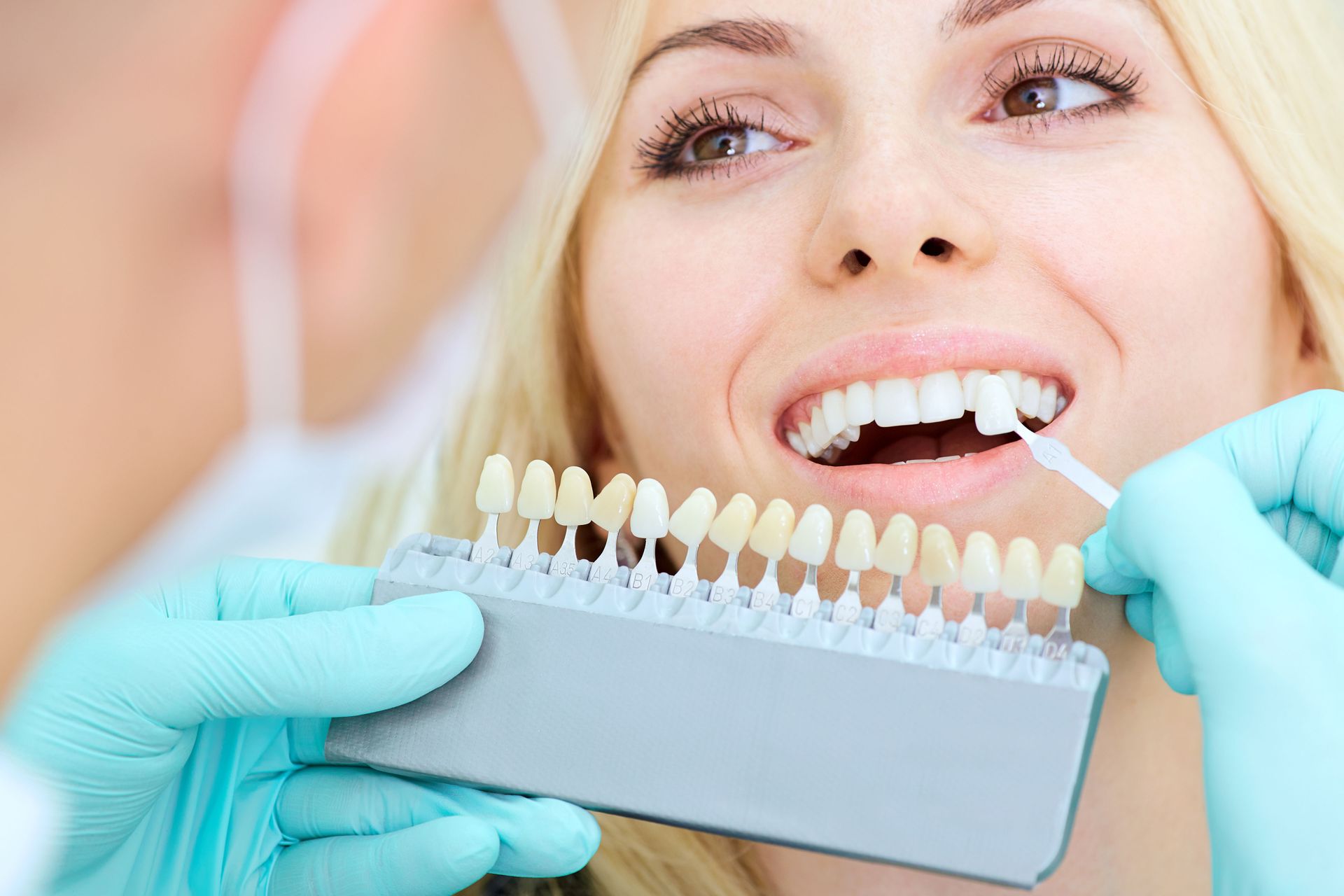
Maintaining good oral health requires more than brushing and flossing at home. Teeth and gums can develop problems that are difficult to recognize without professional training, specialized instruments, and diagnostic imaging. Small cavities, early gum disease, worn enamel, and changes in the soft tissues of the mouth may not cause immediate discomfort, yet they can become more serious when left untreated. Regular dental consultations give patients an opportunity to understand their oral health, receive preventive care, and address concerns before they interfere with eating, speaking, or daily comfort. Choosing a nearby dental professional also makes it easier to keep appointments, seek timely help, and build a lasting relationship with a team that understands a patient's needs, history, and treatment goals.
Preventing Common Oral Health Problems
Preventive dental care helps reduce the likelihood of cavities, gum disease, and other conditions that can damage teeth or supporting tissues. During routine appointments, the dental team can remove plaque and hardened tartar that brushing and flossing may not eliminate completely. These deposits often collect near the gumline, between teeth, and in other areas that are difficult to clean. If they remain in place, they may contribute to decay, inflammation, bleeding gums, and persistent bad breath.
A local dentist can also provide personalized guidance about brushing techniques, flossing methods, fluoride use, and dietary habits. Recommendations may vary depending on a patient's age, dental history, restorations, sensitivity, or risk factors. Instead of relying on general advice, patients can receive practical instructions based on the actual condition of their teeth and gums. These preventive conversations support better daily habits and may reduce the need for more complicated treatment in the future.
Detecting Problems Before Symptoms Develop
Many dental conditions begin quietly. A cavity may form without pain, gum disease can progress without obvious discomfort, and cracks may remain unnoticed until pressure causes them to worsen. Dental examinations allow professionals to inspect areas that patients cannot easily see on their own. X-rays may also reveal decay between teeth, bone changes, impacted teeth, infections, or other concerns that are not visible during a standard visual examination.
According to the Centers for Disease Control and Prevention, approximately 25% of adults have untreated cavities. Consulting a local dentist gives patients a chance to identify decay while treatment may still be relatively simple. Early detection can help preserve more of the natural tooth and reduce the likelihood of infection, severe pain, or extensive restoration. Regular evaluations also establish a record of oral health changes, making it easier to notice when something begins to look or feel different.
Managing Tooth Pain and Sensitivity
Tooth pain can result from several causes, including decay, fractures, worn enamel, gum recession, loose fillings, or infection. Sensitivity to hot, cold, sweet, or acidic foods may also indicate that part of the tooth has become exposed or damaged. Because different conditions can produce similar symptoms, guessing at the cause may delay proper care. Temporary relief from over-the-counter products does not necessarily address the problem responsible for the discomfort.
A local dentist can evaluate the painful area, review the patient's symptoms, and recommend treatment based on the underlying cause. Care may involve a filling, protective restoration, periodontal treatment, or another appropriate solution. Prompt evaluation is particularly important when discomfort is severe, persistent, or accompanied by swelling, fever, or difficulty chewing. Addressing the issue early may prevent it from becoming a dental emergency and help the patient return to normal activities more comfortably.
Addressing Changes in the Teeth and Gums
Changes in the mouth should not be ignored simply because they are painless. Bleeding gums, swelling, loose teeth, sores, discoloration, rough areas, or changes in the bite may signal a condition that deserves professional attention. Patients may also notice that food becomes trapped in new areas or that their gums appear to be pulling away from the teeth. These signs can develop gradually, making them easy to dismiss or accept as normal.
Consulting a local dentist provides an opportunity to determine whether a change is harmless, temporary, or related to a developing problem. The dental team can compare current findings with previous examinations and recommend additional evaluation when needed. This is especially helpful for patients who visit the same office consistently because the provider becomes familiar with their normal oral condition. Timely attention can protect dental function and provide reassurance when a concern does not require treatment.
Restoring Damaged or Missing Teeth
Teeth may become damaged through decay, injury, grinding, or ordinary wear. Missing or weakened teeth can make it difficult to chew comfortably and may affect speech, appearance, and confidence. Damage can also change how biting forces are distributed across the mouth, placing additional pressure on nearby teeth. Restorative dentistry focuses on rebuilding function while preserving healthy tooth structure whenever possible.
A local dentist can explain options for repairing or replacing teeth based on the location and extent of the damage. Depending on the patient's needs, treatment may include fillings, crowns, bridges, dentures, or other restorative solutions. A professional consultation allows patients to discuss durability, appearance, care requirements, and expected outcomes before deciding how to proceed. Restoring damaged areas may also make daily cleaning easier and reduce the risk of additional problems developing around weakened teeth.
Coordinating Care for the Entire Household
Families often have different dental needs at each stage of life. Children may require help developing effective brushing habits, teenagers may need monitoring as permanent teeth emerge, and adults may be concerned about gum health, sensitivity, or existing dental work. Older adults may need additional support for dry mouth, missing teeth, or changes associated with medications and aging. Coordinating care through one nearby practice can simplify scheduling and recordkeeping.
A local dentist can become familiar with the oral health patterns, concerns, and preferences of multiple family members. This familiarity can make appointments feel more comfortable and help the dental team provide consistent education over time. A conveniently located practice may also reduce travel challenges and make it easier to attend routine visits. When dental care fits more naturally into a household's schedule, patients may be less likely to postpone preventive appointments or follow-up treatment.
Building a Long-Term Dental Relationship
Continuity is valuable in dental care because oral health changes over time. A provider who regularly examines the same patient can monitor existing fillings, crowns, gum measurements, bite patterns, and areas of concern. This long-term perspective supports more informed recommendations because treatment decisions can be based on both current findings and previous records. Patients may also feel more comfortable discussing fears, financial concerns, or personal goals with a familiar team.
Developing a relationship with a local dentist can make care feel more personal and less stressful. Patients know where to call when questions arise, and the dental office already has access to relevant history and prior treatment information. Trust can also improve communication, helping patients understand why a procedure is recommended and what alternatives may be available. A dependable professional relationship encourages regular care and supports thoughtful decisions that protect oral health over the long term.
Consulting a dental professional provides important benefits at every stage of life, from preventing cavities and gum disease to relieving pain, restoring damaged teeth, and monitoring changes that may otherwise go unnoticed. Regular visits help patients receive individualized guidance, understand their treatment options, and address concerns before they become more difficult or costly to manage. Choosing a nearby practice can make appointments more convenient while supporting consistent care and a lasting relationship with a familiar dental team. To protect your smile and receive attentive, professional dental care tailored to your needs, contact A Plus Dentistry.




Share On: