
Visiting a dentist for the first time can feel intimidating, especially if you are unsure what will happen during the appointment. Understanding the process in advance can help reduce anxiety and make the experience more comfortable. A first visit is designed to assess your oral health, establish a baseline for future care, and address any concerns you may have. Knowing what to expect can help you feel more confident and prepared when walking into the dental office.
Understanding the Role of a Dentist
A dentist plays a key role in maintaining and improving oral health. General dentists handle routine exams, cleanings, fillings, and preventive care. They also identify early signs of issues such as gum disease, cavities, and oral infections. If specialized care is needed, a dentist may refer patients to orthodontists, periodontists, or endodontists for targeted treatments.
Regular visits are important because dental problems often develop without noticeable symptoms. Early detection allows for simpler and less expensive treatments. According to the North American Community Hub, about 23% of adults aged 19-64 are uninsured for dental care. This makes preventive appointments even more important, as avoiding major procedures can help reduce long-term costs.
Preparing for Your Appointment
Preparing ahead of time can make your first dental visit smoother and more efficient. Start by selecting a reputable dental office that fits your needs and schedule. Reading reviews and confirming credentials can help you feel confident in your choice.
Before your appointment, gather important documents such as identification, insurance information, and a list of medications you currently take. If you have previous dental records, bringing them along can provide helpful background information for your dentist. Being organized ensures that your dental team can quickly understand your health history and begin providing personalized care.
The Check-In and Initial Consultation
When you arrive at the dental office, you will typically check in at the front desk and complete any required paperwork. This paperwork usually includes your medical history, dental history, and insurance details. Providing accurate information helps the dentist make safe and informed decisions about your treatment.
The initial consultation allows you to discuss your dental concerns, goals, and expectations. You may be asked about past dental experiences, sensitivity, or discomfort. This conversation helps the dentist tailor the examination and recommend appropriate next steps.
Comprehensive Oral Examination
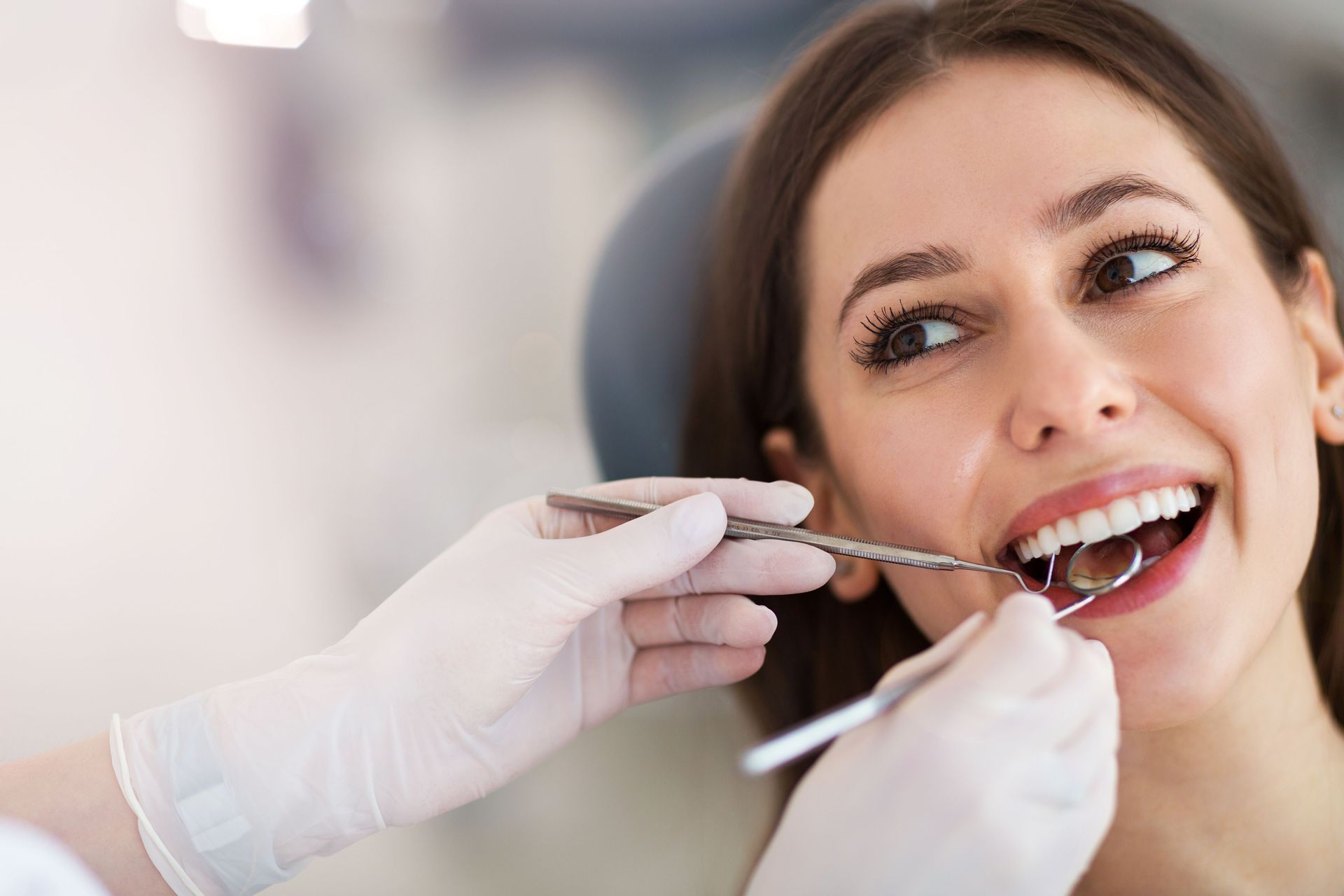
A thorough oral examination is one of the most important parts of your first visit. The dentist will carefully inspect your teeth, gums, tongue, and jaw to evaluate your overall oral health. This examination helps identify issues such as cavities, gum disease, enamel wear, and alignment problems.
In many cases, dental x-rays are taken to provide a more detailed view of areas not visible during the visual exam. X-rays allow the dentist to detect hidden decay, bone loss, and impacted teeth. This diagnostic step ensures that any underlying issues are identified early and addressed promptly.
The Professional Cleaning Process
After the examination, most first appointments include a professional dental cleaning. This process removes plaque and tartar that cannot be eliminated through regular brushing and flossing at home. Dental hygienists use specialized tools to clean the surfaces of your teeth and below the gum line.
The cleaning typically involves scaling to remove hardened tartar, followed by polishing to smooth the tooth surfaces. Smoother teeth make it harder for plaque to accumulate in the future. The appointment may also include flossing and a fluoride treatment to strengthen enamel and protect against cavities.
Learning Proper Oral Hygiene Techniques
Your first visit is also an opportunity to learn how to care for your teeth more effectively at home. Dental professionals often demonstrate proper brushing and flossing techniques to ensure you are cleaning all areas of your mouth correctly. Small adjustments in technique can significantly improve your oral health over time.
You may also receive recommendations for toothbrush types, toothpaste options, and other oral care products that suit your specific needs. Following this guidance can help prevent cavities, gum disease, and other common dental problems between appointments.
Reviewing Findings and Discussing Results
Once the examination and cleaning are complete, the dentist will review the findings with you. This conversation helps you understand the current condition of your teeth and gums. If any concerns are identified, they will be explained in clear and simple terms.
The dentist may show you x-rays or point out specific areas of concern in your mouth. Understanding these findings helps you make informed decisions about your treatment and prioritize necessary procedures. Open communication during this stage encourages trust and helps you feel more involved in your care.
Creating a Personalized Treatment Plan
If treatment is needed, your dentist will develop a plan tailored to your specific oral health needs. This plan may include procedures such as fillings, deep cleanings, crowns, or orthodontic evaluations. Each recommendation will be explained along with the expected timeline and benefits.
You will also have the opportunity to ask questions about costs, recovery time, and alternative treatment options. A personalized treatment plan ensures that your dental care is both effective and manageable, allowing you to address issues in a structured and organized way.
Understanding Costs and Insurance
Financial concerns are common when visiting a dentist for the first time. Dental offices usually provide a breakdown of costs and help you understand what your insurance will cover. Many practices also offer payment plans or financing options for larger procedures.
Discussing these details early helps prevent surprises and allows you to plan your dental care within your budget. Being informed about costs can make it easier to commit to recommended treatments and maintain regular visits.
Scheduling Future Appointments
Before leaving the office, you will typically schedule your next visit. Most dentists recommend checkups and cleanings every six months, although the frequency may vary depending on your oral health. Patients with gum disease or other ongoing concerns may need more frequent visits to maintain stability and prevent complications.
Establishing a routine schedule helps ensure that potential issues are identified early and treated before they become more serious. Regular appointments also allow your dentist to monitor changes in your oral health and adjust your care plan as needed.
Managing Post-Appointment Sensitivity
After your first dental appointment, it is normal to experience mild sensitivity or tenderness, especially if your teeth were thoroughly cleaned. This sensitivity usually fades within a few days. Using toothpaste designed for sensitive teeth and avoiding very hot or cold foods can help minimize discomfort during this time.
If you undergo more involved procedures, your dentist will provide specific aftercare instructions. Following these guidelines closely helps promote faster healing and prevents complications.
Maintaining Oral Health Between Visits
Ongoing care at home plays a major role in maintaining the results of your dental appointment. Brushing twice daily, flossing regularly, and limiting sugary foods can significantly reduce your risk of cavities and gum disease. Consistency in your daily routine helps extend the benefits of professional cleanings and treatments.
Your dentist may also recommend mouthwash or additional preventive measures based on your specific needs. Adopting these habits ensures that your teeth and gums remain healthy between visits and reduces the likelihood of requiring extensive dental work in the future.
By attending regular checkups, following at-home care recommendations, and communicating openly with your dentist, you can prevent many common dental issues and address problems early. A proactive approach to dental care not only protects your teeth and gums but also contributes to overall health and well-being. For more information, contact A Plus Dentistry today.



Share On: